
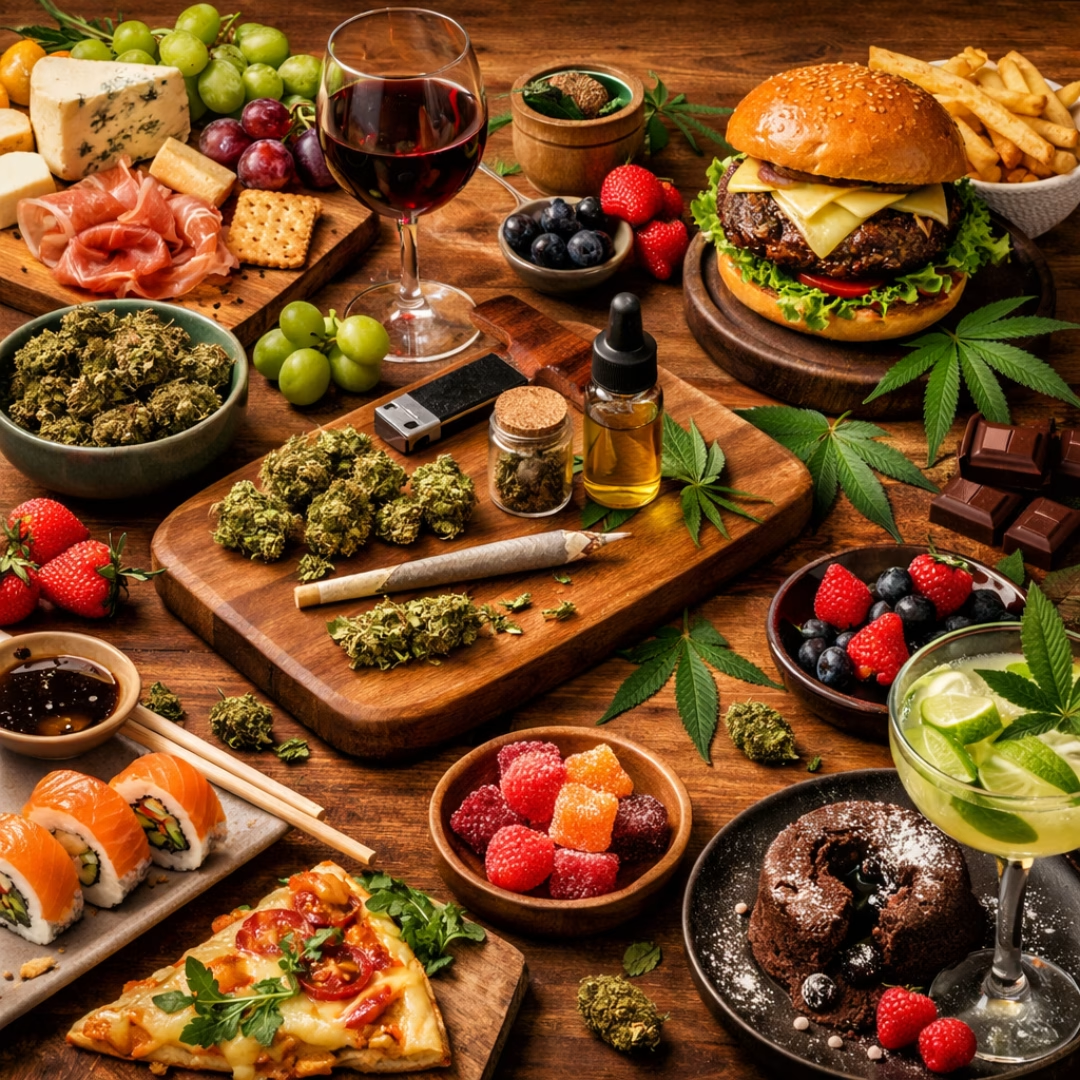
Pairing cannabis with food is about finding a delicious balance between flavor, aroma, texture, and mood. Each bite, sip, and strain enhances the other. If you’re planning your own cannabis pairing, take a few notes from wine pairings: you’ll want to match intensity, contrast flavors, and consider the effects of each component.
Beyond taste, cannabis pairing is also about intention and atmosphere. Choose strains and infusions that fit the moment: bright, uplifting options for lively gatherings, soothing or sedative options for cozy evenings.
By finding this balance between flavors and effects, you can create an experience where the food, drink, and cannabinoids all play their part in shaping the mood.
Pairing cannabis with a meal is a lot like curating a multi-course dining experience, with each bite, sip, and/or strain complementing the other elements on the plate. But unlike wine pairings, cannabis pairings are a brand-new concept — and there are many interpretations of how to do them.
If you’re planning to don your cannabis sommelier cap for your next get-together, here are a few ways to pair flavors, ingredients, and experiences for a well-rounded event.
Think of each strain of cannabis flower as your house wine. Every cultivar has its own terpene profile: a bouquet of aromatic compounds that create distinct notes of citrus, pine, spice, or sweetness. Pairing these natural aromas with complementary dishes allows both the food and the flower to shine, turning a meal into a full sensory experience.
For example:
An honorable mention goes to the art of simply adding cannabis-infused food to every course. Technically, you’ll be pairing flavors with experiences, building out an entire menu around infused creations. This is where culinary creativity meets cannabis chemistry.
But if you have a full menu lined up, the goal is to create a gentle, buildable experience that doesn’t leave everyone too stoned to function.
Here are a few simple rules:
it’s always good to have some snacks on hand for those who may get the munchies. Keep some non-infused snacks and drinks available for guests to enjoy.
When planning infused courses, remember: dose and balance are everything. Aim for 2–5 mg of THC per course to keep the meal enjoyable and smooth.
Bringing cannabis into the kitchen is equal parts creativity and control. The golden rules are proper decarboxylation, gentle heat, and precise dosing. Cannabinoids are sensitive to temperature, so low-and-slow cooking preserves potency while preventing degradation.
Quick prep basics
Honey doesn’t naturally bind cannabinoids as efficiently as fats, so the best results come from infused oil blended into honey, not raw flower alone.
How to do it
Best uses: Drizzle over yogurt, fruit, cheese boards, toast, or stir into tea for a mellow, longer-lasting effect.
Drinks work best with tinctures, syrups, or emulsified THC, since raw oil separates in water.
Tips for success
Flavor pairings
Chocolate is ideal because cocoa butter binds cannabinoids beautifully.
Best practices
Pro tip: Cut brownies into equal portions and label the potency clearly. Future-you will thank you.
This is the backbone of most edible recipes.
How it works
Why it’s essential: One batch unlocks dozens of recipes and gives you full dosing control.
Perfect for people who prefer food-forward edibles over sweets.
Ideas
Serving tip: Pair small portions with bread or veggies to keep doses low and social-friendly.
Remember, even if you have a high tolerance, that doesn’t mean your guests do, too! Start small: 2.5 to 5 mg THC per serving. And for those who are pretty new to eating cannabis, they’ll want to wait at least 60 to 90 minutes before consuming more. Always label your infused products clearly, store them safely away from children or pets, and follow state laws when gifting or sharing your creations.
Creating a thoughtful cannabis and food-pairing experience starts with curiosity, intention, and high-quality ingredients. Whether you’re planning a relaxed dinner with friends, experimenting with infused recipes at home, or simply exploring how different strains and flavors interact, having the right cannabis makes all the difference.
At Fire & Oak, we curate a diverse selection of premium cannabis flower, edibles, tinctures, and concentrates designed to support every kind of pairing. From terpene-rich strains that complement savory dishes to low-dose options ideal for buildable meals, our menu makes it easy to shop with confidence and creativity.
Not sure where to start? Our knowledgeable team is always happy to help you choose products that match your flavor preferences, tolerance level, and the experience you want to create. Because when education meets intention, cannabis becomes more than an ingredient; it becomes part of the atmosphere.
Explore Fire & Oak, gather your ingredients, and start crafting cannabis pairings that taste as good as they feel.
The biggest differences lie in onset time and potency. When you smoke cannabis flower, the effects hit within minutes because THC enters your bloodstream through your lungs. Edibles and cannabis-infused drinks, on the other hand, must pass through your digestive system and liver, where THC is converted into 11-hydroxy-THC, a more potent compound that produces longer-lasting effects. While smoking offers a quick, short high, infused foods and beverages deliver a slower, smoother, and often more intense experience that can last for hours.
The onset time for edibles or cannabis-infused drinks varies depending on your metabolism, whether you’ve eaten recently, and the form of infusion. Traditional edibles made with cannabis butter or infused oil can take 30 minutes to two hours to take effect. THC beverages and tincture-based drinks typically take effect faster (sometimes within 15–45 minutes) because liquid infusions are absorbed more quickly. Always start low and go slow to avoid overpowering effects.
Dosing is the key to an enjoyable infused experience. Beginners should start with 2.5–5 mg of THC per serving, waiting at least 90 minutes before consuming more. Higher doses can produce stronger effects that last longer, but they also increase the risk of overconsumption. Because infused drinks and edibles vary in THC potency, always check the product label or recipe. When making your own, measure carefully using an oven thermometer to avoid overheating the cannabinoids, and store everything in airtight containers to maintain consistency.
While marijuana-infused alcohol gets a lot of buzz, these are two substances that are best enjoyed on their own. Mixing alcohol with marijuana can increase both potency and impairment, since THC and alcohol amplify each other’s effects. Even if you know what to expect with alcohol and separately with weed, it gets increasingly challenging to predict effects when combined. This combination can also lead to delayed reactions or nausea due to how both are processed in the liver.
As with wine or craft beer pairings, flavor, texture, and aroma play a significant role in cannabis pairings. Strains high in limonene complement bright, citrus-forward dishes and drinks, while earthy, myrcene-rich strains enhance savory recipes or rich desserts. Texture matters, too! Smooth cannabis-infused chocolate pairs beautifully with crunchy nuts or sea salt, while creamy infused drinks balance spicy or acidic foods. Think of each pairing as a balance between taste and mood: sweet, spicy, or herbal notes should harmonize, not overpower each other.
Keep your infused foods and beverages in an airtight container to preserve flavor and potency. Store edibles like THC chocolate, cannabis-infused honey, or brownies in a cool, dark place to prevent melting or cannabinoid degradation. Liquid infusions, like oils, tinctures, or cannabis drinks, should be kept sealed and refrigerated when possible. Always label your infused products clearly, and never store them near non-infused foods to avoid mix-ups.
For smooth, flavorful infusions, start with high-quality natural ingredients. Butter, coconut oil, and olive oil are popular for infused cooking since they bind well with cannabinoids. Honey, milk, and cream also absorb THC effectively for drinks and desserts. When infusing with cannabis flower or concentrates, use dried flowers that are properly decarboxylated and strain out plant matter for a clean finish. Avoid artificial flavorings; pure, natural ingredients better highlight the plant’s authentic taste and aroma.
Cannabis infusions shine in the savory realm. Try savory recipes that balance rich textures and herbal notes. Think: olive oil infused with cannabis, drizzled over roasted vegetables; cannabis butter mashed potatoes; or pasta tossed with a THC-infused pesto. You can also elevate appetizers by pairing infused honey with cheese boards or spreading cannabis butter on warm bread. The key is subtlety! Create complementary flavors, and avoid that overpowering “green” taste by using the right strain and recipe for your meal.
Cannabis-infused chocolate pairs beautifully with red wine, espresso, or dark-fruit desserts, especially when made with milk chocolate or THC chocolate bars with creamy textures. Try pairing a piece with a cannabis-infused drink like herbal tea or a sweet tincture mocktail for layered flavor and effect. For a lighter, more natural option, cannabis-infused honey, drizzled over Greek yogurt, cheese boards, or herbal teas, makes a soothing and delicious pairing. Both infusions work well for relaxation and indulgence.