

Cannabis concentrates come with descriptions that can be easy to confuse. Live rosin, live resin, badder and disposable each describe a different part of a product: its starting material, extraction method, texture or format.
Understanding those distinctions makes a label more informative. A concentrate can be both live rosin and badder, while a disposable device can contain live rosin without belonging to the same product format as a jar.
This guide from Fire & Oak in Mount Holly explains those differences through six product examples, with a closer look at the information behind their names.
Cannabis concentrates contain cannabinoids and other plant compounds separated from much of the original plant material. The category includes products with different compositions, consistencies and packaging.
The NJ-CRC’s overview of New Jersey cannabis product categories includes concentrated oils, resin and vape formulations. Those categories help explain why related extracts can appear in different sections of a product catalog.
To read a concentrate label, separate four questions:
Each answer adds a different piece of information.
The shared word “live” generally refers to cannabis frozen after harvest instead of undergoing the drying and curing process associated with finished flower. The distinction between rosin and resin concerns how the concentrate is obtained.
Live rosin comes from fresh-frozen cannabis through physical separation and pressing. It belongs to the solventless category because its extraction does not rely on organic solvents such as butane or propane.
“Live” and “solventless” describe production characteristics. They do not provide the finished product’s THC percentage, ingredient list or laboratory results.
Live resin also uses fresh-frozen starting material, but its production typically involves hydrocarbon solvents such as butane or propane. Subsequent processing removes the extraction solvent, and laboratory testing evaluates residual solvent levels.
A manufacturer can finish live resin into different consistencies. The extraction category remains live resin even when the resulting texture changes.
The comparison therefore starts with extraction method. Potency, composition and contaminant findings require information about the individual batch.
Badder usually describes a soft, cohesive consistency resembling thick batter. Both live rosin and live resin can have this texture.
For example, 710 Labs separately describes its live rosin badder and live resin badder. The similar texture does not make their extraction methods interchangeable.
A label reading live rosin badder communicates three details together: fresh-frozen starting material, solventless extraction and a badder consistency.
The following concentrate examples show how those details appear alongside cultivar names, micron ranges and producer terminology.
Format: Live rosin concentrate
Size: 1g
Listed classification: Indica-dominant
Animal Scout #10 Live Rosin 90µ–120µ Tier 1 1g includes several distinct identifiers in its name.
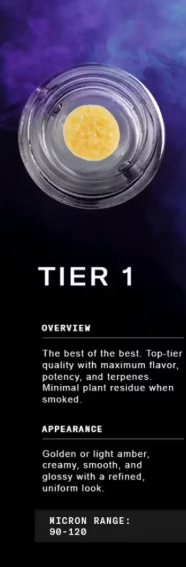
The micron notation relates to hash filtration and material selection. The 1g designation describes product weight, while Tier 1 refers to a producer’s grading system. These numbers serve different purposes from a cannabinoid percentage.
Producer definitions matter here. RYTHM, for example, publishes different micron ranges within its own tier system. A tier designation should be interpreted using the relevant manufacturer’s criteria and the product’s batch information.
Format: Live rosin badder
Size: 1g
Listed classification: Indica-dominant
GG4 Live Rosin Badder 1g illustrates why the complete product name matters.
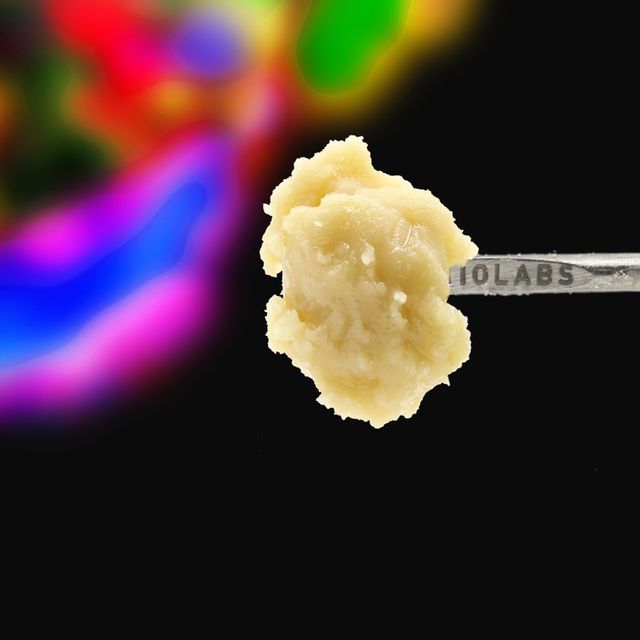
“GG4” identifies the cultivar name used in the listing. “Live rosin” describes the extraction category, and “badder” describes the consistency.
Those details establish the product’s identity, but its cannabinoid and terpene measurements belong to the specific batch. A laboratory result for GG4 flower or another GG4 concentrate would not establish the composition of this product.
Format: Live rosin badder
Size: 1g
Listed classification: Hybrid
Jackson Heightz Persy Badder 1g introduces another layer of concentrate terminology: a named product line.
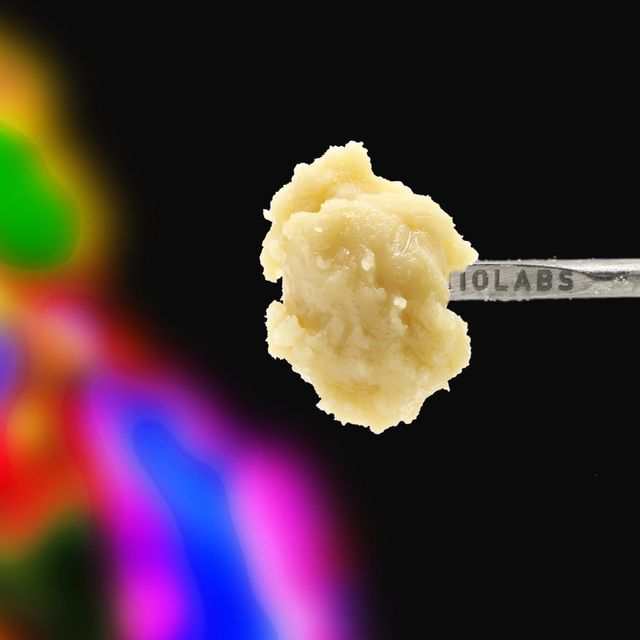
710 Labs uses “Persy” within its product range and describes its Persy Rosin Badder as a cold-cured form of its 90-micron rosin. That explanation provides context for the term.
Producer terminology helps explain how a company organizes its products. The finished package and matching laboratory report provide the separate information needed to understand a particular batch.
A vape device describes the hardware containing the concentrate. The extract inside still has its own identity.
“Disposable” or “all-in-one” therefore does not establish that the contents are live rosin, live resin or another formulation. The complete label must identify both the device format and its contents.
Live rosin can appear in standalone concentrate products and in finished vape formulations. The shared extraction category does not make those products interchangeable.
Format: Disposable live rosin vape
Size: 1g
Listed classification: Indica-dominant
Machiavelli Kush / Payton’s Pie #1 Disposable Live Rosin 1g combines a named formulation with a device format.
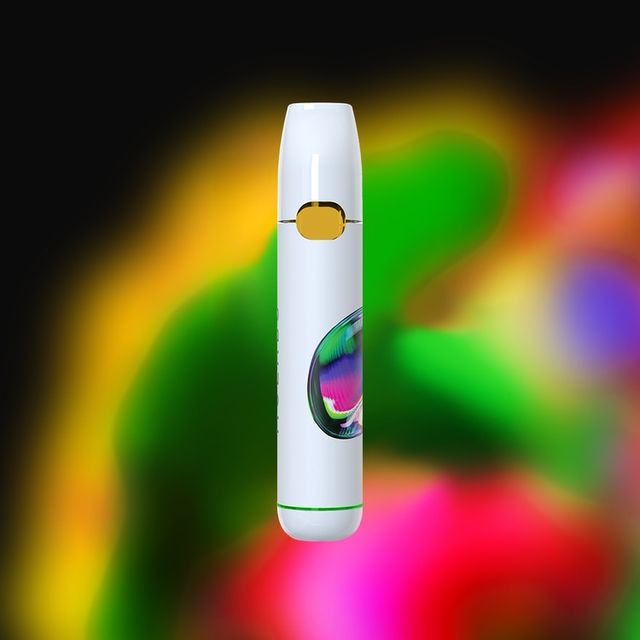
“Live rosin” identifies the concentrate category, while “disposable” identifies the hardware. The 1g designation refers to the listed quantity of contents.
Keeping those details separate makes the label easier to interpret. It also prevents a device description from being mistaken for information about extraction, ingredients or cannabinoid concentration.
Format: Disposable live rosin vape
Size: 1g
Listed classification: Hybrid
Rainbow Belts Disposable Live Rosin 1g provides an example of the distinction between a product name and its formulation.
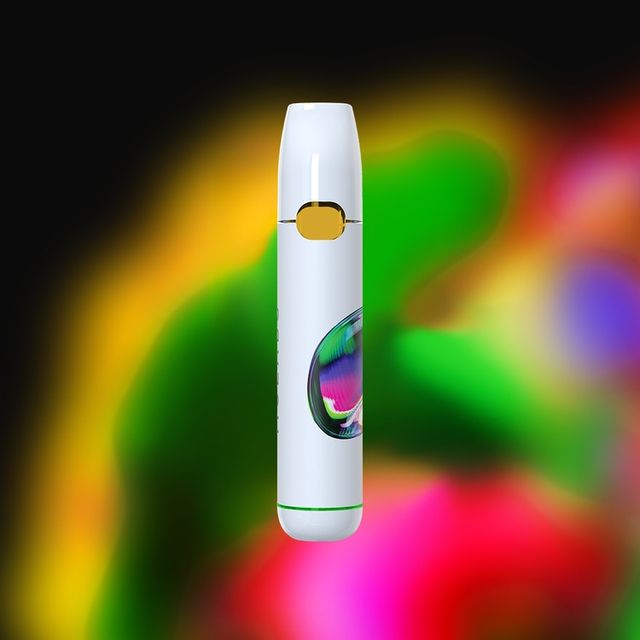
A name associated with fruit or candy does not establish that those flavorings were added. Questions about ingredients or added terpenes require the finished product’s label and manufacturer disclosures.
The cultivar name, extraction description and ingredient information each contribute something different to understanding cannabis concentrates.
Format: Disposable live rosin vape
Size: 1g
Listed classification: Hybrid
Sundae Driver / SB36 #1 Disposable Live Rosin 1g shows why abbreviations and numbered identifiers should remain part of the product name.
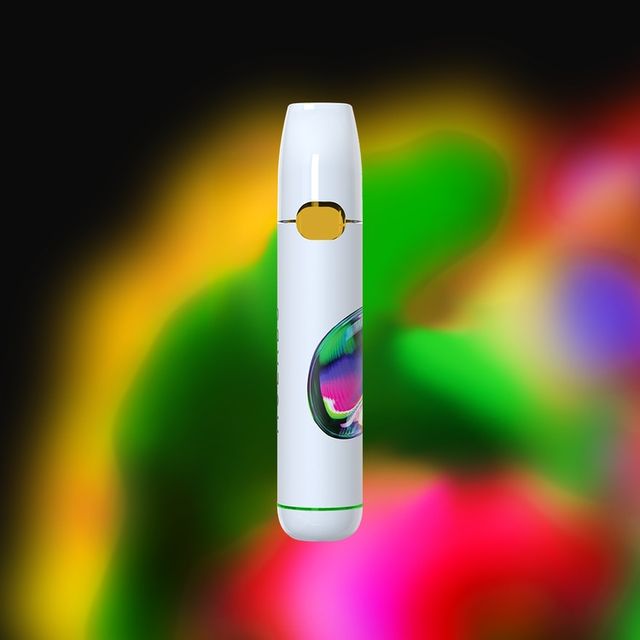
Those details help distinguish a particular listing from similarly named products. They should also be checked when matching a package to a laboratory report.
A familiar name alone is insufficient to transfer THC percentages, terpene results or other batch findings from one product to another.
The front label introduces the product. A matching Certificate of Analysis, or COA, adds laboratory information.
The NJ-CRC’s explanation of how to read a Certificate of Analysis identifies product and batch information, cannabinoid measurements and contaminant testing among the report’s key sections. Consumers can request a product’s COA from the dispensary.
When reviewing a report, check:
Extraction terminology, texture and producer grading provide useful context. Laboratory findings answer a different set of questions about the tested batch.
Cannabis concentrates contain cannabinoids and other plant compounds separated from much of the original plant material. They include products with different extraction methods, textures and finished formats.
Live rosin uses physical separation and pressing without organic extraction solvents. Live resin typically uses hydrocarbon solvents. Both generally begin with fresh-frozen cannabis.
“Live” generally refers to cannabis frozen after harvest instead of being dried and cured before extraction. It describes the starting material rather than a specific potency level.
No. Badder describes a consistency that can occur in both rosin and resin products. The full extraction description is needed to identify the category.
No. It identifies the device format. The label must separately describe its contents, such as live rosin or live resin.
The notation describes a micron range associated with hash filtration and material selection. It is separate from product weight and cannabinoid concentration.
Those terms refer to producer grading or product-line terminology. The matching laboratory report provides cannabinoid measurements for the tested batch.
The batch number connects the package to its laboratory report. A report for another batch or a similarly named product may describe a different composition.
Cannabis concentrates become easier to understand when each label detail has a clear role. Live rosin and live resin describe extraction categories. Badder describes texture. A vape designation describes the finished format.
Reading those details alongside the full product identity and matching laboratory information provides a more complete understanding of what the label communicates.